August 24, 2026
Selecting the right early childhood facility is among the most significant decisions a family can make during the formative stages of early childhood development. Parents naturally want an environment that offers emotional security, physical protection, and engaging educational opportunities that prepare young minds for future academic and social success. As working parents navigate the challenging balance between professional commitments and family responsibilities, finding a trustworthy childcare center becomes an essential priority for daily stability. According to Wellable, 78% of job seekers with children require full-time childcare to return to work. With such a massive portion of the modern workforce relying on dependable early care, understanding what elevates a facility from basic supervision to exceptional early education is vital for every household. Identifying key markers of educational excellence helps parents feel completely confident that their chosen childcare center will nurture their children while supporting total family well-being.
Evaluating Health and Safety Protocols
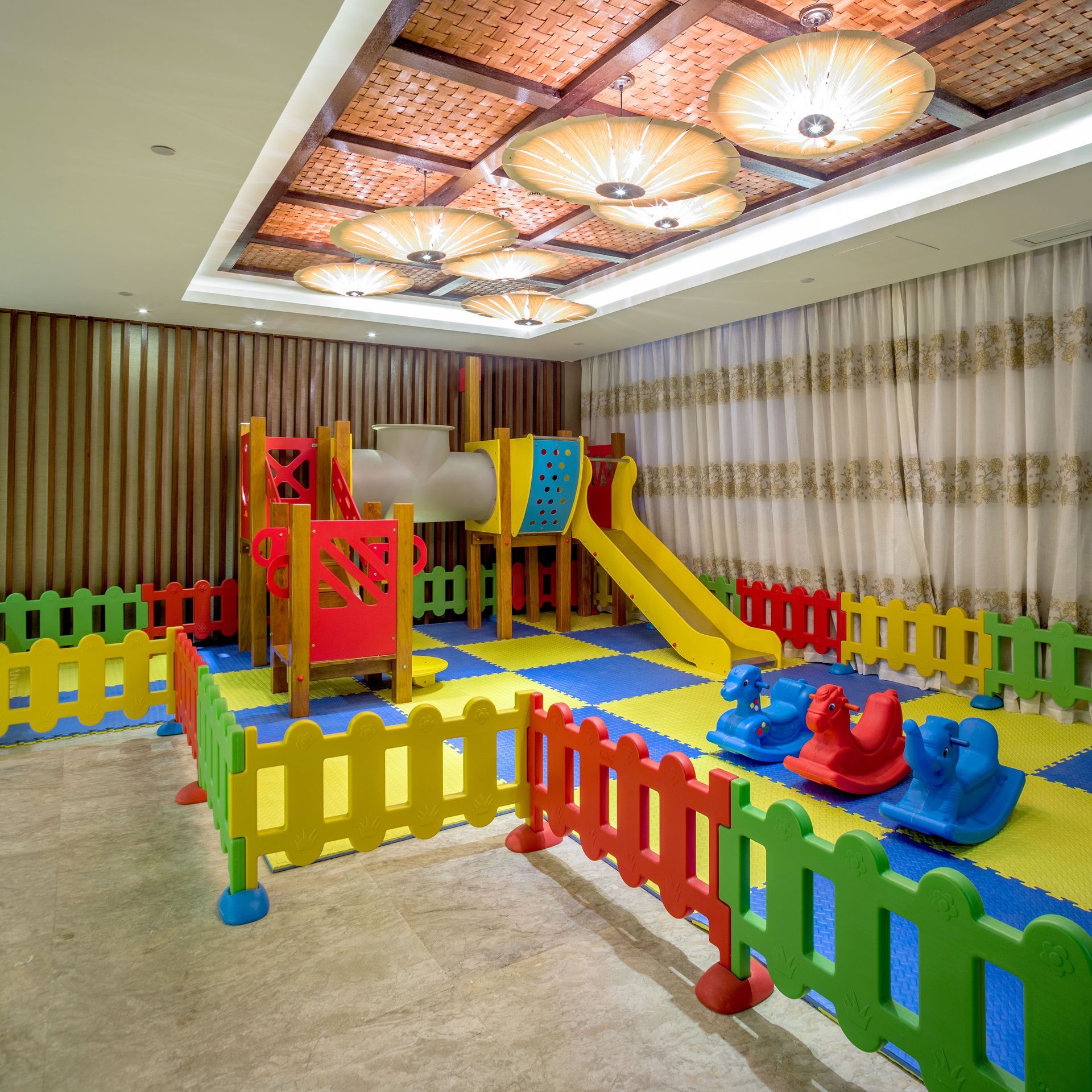
Physical safety serves as the fundamental foundation of any reputable childcare center. When touring potential facilities, parents must prioritize observing the concrete measures taken to protect young children from harm throughout the day. A top-tier facility maintains secure entryways equipped with restricted access technology, ensuring that only authorized staff members and registered family members gain entry into the building. Indoors, classrooms should feature comprehensive childproofing, including covered electrical outlets, securely anchored furniture, rounded table edges, and non-toxic play materials. Outdoor play areas require sturdy surrounding fences, shock-absorbing ground surfaces beneath climbing structures, and routine daily inspections to eliminate potential hazards before children step outside.
Comprehensive health protocols are equally crucial when evaluating where to enroll a young child for early education. High-quality facilities enforce clear illness policies that prevent the spread of contagious conditions, establishing strict guidelines regarding temperature checks and symptom-free waiting periods before a child returns to class. Sanitation standards must involve frequent cleaning of toys, dining surfaces, changing areas, and resting mats throughout the day. Furthermore, staff members should follow rigorous handwashing procedures before meals and after assisting with personal hygiene. Choosing a childcare center that upholds rigorous health and safety measures ensures that children remain protected while parents enjoy complete peace of mind.
Assessing Educator Qualifications and Staffing Stability
The heart of any exceptional early childhood program lies within its dedicated teaching staff. Exceptional caregivers possess formal background training in early childhood development, pediatric emergency care, and cardiopulmonary resuscitation techniques. Beyond basic professional certifications, dedicated educators understand age-appropriate milestones and demonstrate genuine patience, warmth, and affection toward every student in their care. When observing active classroom dynamics, parents should watch how teachers interact with children during both structured lessons and unstructured play. Attentive educators engage at eye level, listen actively to young voices, and use gentle redirection rather than punitive discipline to guide positive social behavior.
Staffing stability and appropriate supervision ratios also reflect the overall internal quality of an early learning environment. Frequent staff turnover can disrupt the emotional consistency that young children require to build confidence, establish trust, and feel secure outside the home. Facilities that value their workforce through fair compensation, supportive leadership, and ongoing professional development tend to retain experienced teachers long-term. Additionally, low child-to-teacher ratios allow educators to provide individual guidance, adapt lessons to varying learning paces, and maintain careful oversight. Selecting a childcare center with qualified, permanent staff ensures a stable foundation where children build lasting, positive bonds with their early mentors.
Examining Early Learning Frameworks and Daily Routines
A quality early learning program balances structured instruction with spontaneous play to foster cognitive, emotional, and social growth. Rather than serving as simple custodial supervision, an effective curriculum incorporates play-based learning that encourages natural curiosity, creative problem solving, and expressive communication. Children should engage in a diverse array of enriching activities each day, including story time, sensory exploration, musical movement, construction play, and artistic creation. A well-designed daily routine helps young learners anticipate transitions smoothly, building a comfortable sense of security, self-regulation, and enthusiasm for group learning.
Physical development and daily outdoor play must also form an integral part of the early educational schedule. Generous time spent playing outdoors allows children to develop gross motor skills through running, balancing, and cooperative group games while benefiting from fresh air and natural light. Indoors, quiet rest periods or nap times are essential for cognitive processing, physical recovery, and emotional balance after active learning sessions. A balanced daily schedule accommodates varying energy levels throughout the day without overwhelming young minds. By choosing a childcare center that implements a thoughtful curriculum, parents ensure their children receive comprehensive developmental support tailored to their unique growth stages.
Reviewing Communication Standards and Parental Involvement
Open, transparent communication between educators and families is essential for creating a collaborative care environment. Reputable centers treat parents as essential partners in early development, keeping them continuously informed about daily learning experiences, nutritional intake, nap durations, and developmental milestones. Modern facilities often utilize digital application platforms to provide real-time updates, photos, and daily progress logs, offering reassuring glimpses into the daily routine of a child. Regular parent-teacher meetings also provide dedicated opportunities to discuss individual growth, set learning goals, and address any developmental observations in a supportive, collaborative manner.
Transparency and accessibility foster a strong, enduring foundation of mutual trust between families and center administrators. Quality facilities welcome parent involvement and maintain open-door policies that encourage active family participation in special events, holiday celebrations, or classroom story time sessions. Clear administrative policies regarding tuition schedules, operating hours, health requirements, and emergency procedures eliminate confusion and support smooth daily operations. When a childcare center prioritizes clear communication and actively welcomes parental involvement, families feel valued, respected, and deeply connected to the educational journey of their children.
Inspecting Physical Environments and Learning Materials
The physical atmosphere of an early learning facility significantly impacts how young children feel, explore, and learn each day. A welcoming early learning environment should feel bright, clean, well ventilated, and thoughtfully organized into distinct discovery zones. Classrooms ought to feature dedicated spaces for quiet reading, dramatic role play, block building, sensory exploration, and artistic creation. Accessible low shelving empowers young learners to choose materials independently, fostering personal autonomy and decision-making skills during free play. Adequate floor space allows children to move freely and comfortably without feeling crowded during dynamic group activities.
The quality, diversity, and condition of available learning materials speak volumes about the overall dedication of a facility. High-quality centers provide age-appropriate toys, books representing diverse cultures, puzzle sets, and natural exploration tools that spark active imagination and critical thinking. Materials should undergo regular rotation to maintain engagement and support evolving learning objectives as children mature. Furthermore, furniture should match the physical size of the children, promoting physical comfort and proper posture during meals and table activities. Choosing a childcare center with an enriched physical space ensures that every day offers inspiring opportunities for discovery.
Finding the right early education setting requires careful, thoughtful consideration of health standards, teacher qualifications, daily routines, communication practices, and physical environments. By prioritizing strict safety protocols, stable caregiving teams, balanced learning frameworks, and welcoming physical spaces, families can secure an environment where young children truly thrive emotionally, socially, and intellectually. Taking time to tour facilities, ask detailed questions, and observe classroom interactions provides the clarity needed to make a confident decision for your family. Start your journey toward exceptional early education today by contacting Bear Buddies Child Development Center.