June 23, 2026
Early childhood is a period of rapid growth and transformation, where the foundations for future learning, behavior, and health are established. During these formative years, the environments in which young minds spend their time play a pivotal role in shaping their long-term trajectories. Providing a nurturing, stimulating, and safe environment is essential for fostering optimal advancement during this critical phase. Many families find that enrolling their little ones in structured programs offers immense advantages that extend far beyond simple supervision. These early experiences help shape how individuals interact with the world, handle challenges, and develop relationships throughout their lives. When young ones are surrounded by trained professionals and peers, they gain access to unique learning opportunities that are difficult to replicate elsewhere. Understanding how structured childcare supports development can help families make informed decisions regarding early learning environments. High-quality programs focus on holistic development, ensuring that every aspect of a young person's emotional, social, and cognitive needs is met with care and expertise. Every daily interaction helps wire the developing brain, making consistent and positive engagement vital for long-term health. Consequently, choosing the right early environment is one of the most significant decisions parents will face during these early years.
1. Promoting Social and Emotional Growth
In a professional setting, young ones are introduced to a diverse group of peers and adults outside their immediate family circle. This setting provides a unique laboratory for learning essential social skills, such as sharing, cooperating, and negotiating. Through daily interactions, individuals learn to navigate complex social dynamics, understand the perspectives of others, and build meaningful friendships. Emotional regulation is another critical area where structured childcare plays a vital role. Caregivers guide young ones through the process of identifying, expressing, and managing their feelings in constructive ways. When faced with conflicts or disappointments, individuals learn problem-solving strategies and resilience under the watchful guidance of trained experts. This early emotional conditioning helps build self-esteem and confidence, allowing individuals to approach new situations with a sense of security and curiosity. By participating in group activities and collaborative play, young ones also develop a sense of belonging and community, which is fundamental for their overall psychological well-being and helps them transition smoothly into future social environments.
2. Supporting Cognitive and Language Skills
The early years are characterized by an incredible capacity for language acquisition and cognitive development. Structured environments are designed to maximize this potential by exposing young ones to rich linguistic experiences and intellectually stimulating activities. Professional educators utilize interactive storytelling, singing, games, and conversations to expand vocabularies and enhance communication abilities. This constant exposure to language helps individuals learn to express their thoughts, ideas, and needs clearly and confidently. Furthermore, cognitive development is fostered through age-appropriate activities that encourage exploration, experimentation, and critical thinking. Objects like puzzles, building blocks, and sorting games help young ones grasp basic concepts of spatial awareness, cause and effect, and pattern recognition without the need for formal academic instruction. The structured curriculum ensures that these childcare activities are intentionally designed to challenge young minds while remaining fun and engaging. By fostering a love for discovery and learning during these formative years, professional settings lay a robust groundwork for academic success, helping individuals build the cognitive tools necessary to absorb and process complex information as they grow older.
3. Encouraging Physical Health and Wellness
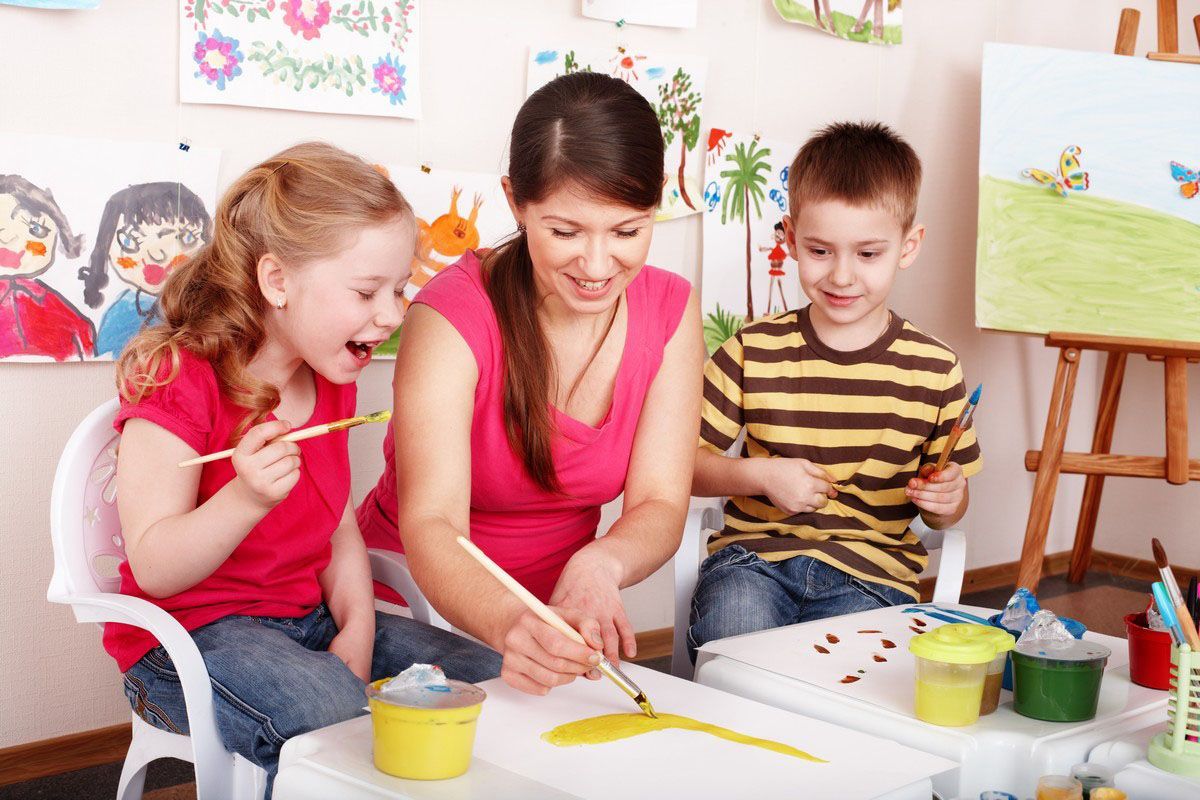
Physical development is a core component of early growth, encompassing both gross motor skills, like running and jumping, and fine motor skills, such as writing and drawing. Structured environments provide ample opportunities and dedicated spaces for young ones to engage in physical activities that promote strength, coordination, and balance. Outdoor playtime allows individuals to explore nature, run freely, and develop large muscle groups through active play. Indoors, activities like crafting, painting, and manipulation of small toys help refine hand-eye coordination and finger dexterity. Beyond physical activity, these programs emphasize the importance of healthy habits and wellness routines. Regular schedules for nutritious meals, adequate rest, and hygiene practices, such as proper handwashing, are seamlessly integrated into the daily routine. According to Childcare.gov, a single qualified professional ought to supervise no more than six to 10 preschoolers. This specific ratio ensures that each individual receives the necessary supervision and individual attention to remain safe while engaging in physical exploration and learning healthy habits that persist throughout their lives.
4. Establishing Consistent Routines and Structure
Children thrive when they know what to expect, and a reliable daily routine provides a sense of safety and predictability. Professional childcare facilities are designed around structured schedules that balance active play, learning sessions, meals, and rest periods. This predictability helps young ones feel secure, reducing anxiety and behavioral issues that often arise from unpredictability or sudden transitions. Learning to follow a schedule also teaches individuals valuable time management and self-discipline skills from an early age. They learn to transition smoothly from one activity to the next, understand the concept of time sequences, and anticipate daily events. This structural framework helps individuals develop an internal sense of order, making it easier for them to adapt to new routines in the future. Moreover, consistent routines around cleanup, mealtime etiquette, and personal responsibility encourage independence and self-reliance. As individuals master these daily tasks, their confidence grows, reinforcing their ability to care for themselves and contribute positively to their group environment, which serves as an excellent preparation for the demands of their upcoming educational journeys.
5. Preparing Children for Future Education
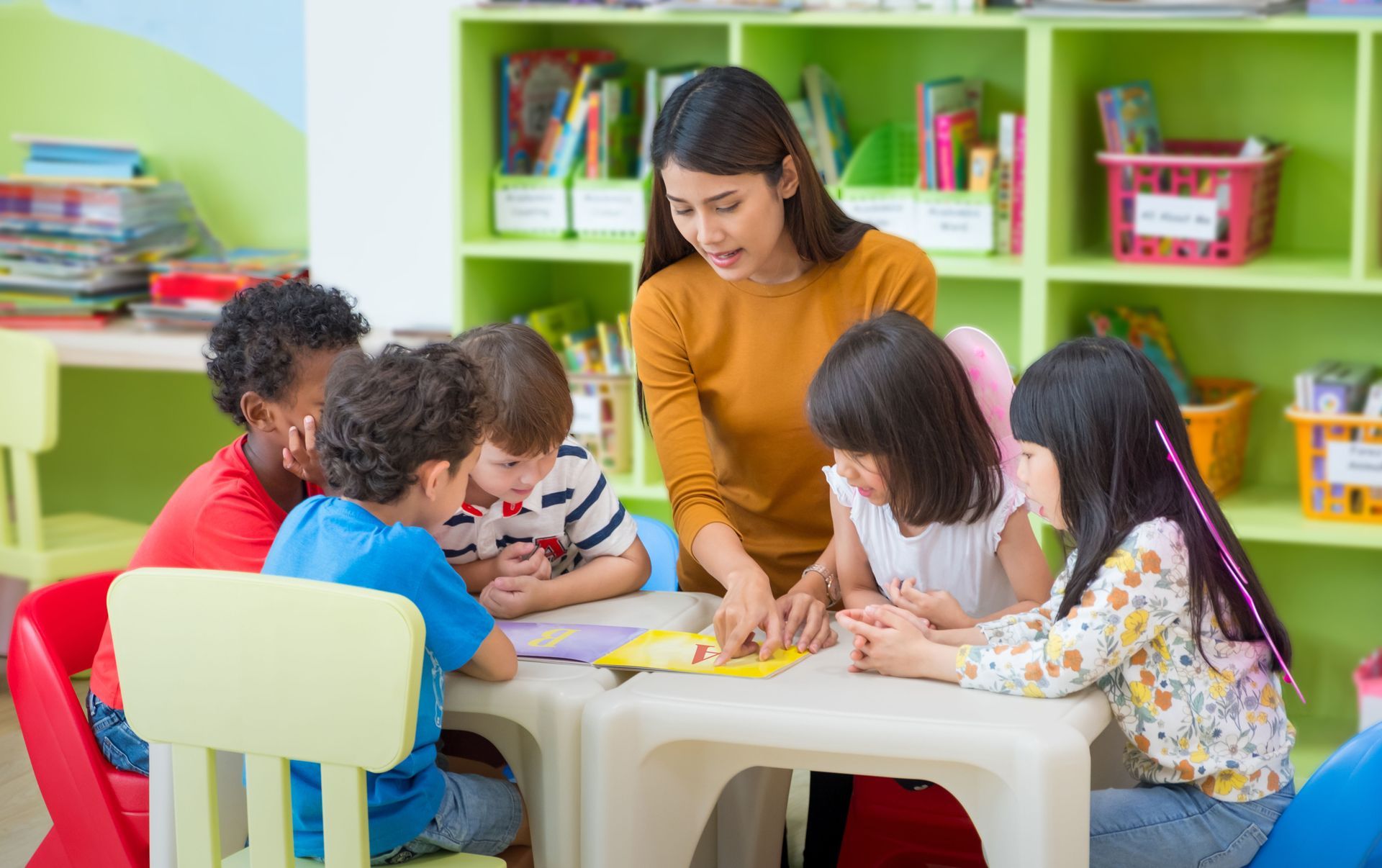
The transition into a formal elementary school setting can be a significant adjustment for young individuals, but experience in a professional setting helps bridge this gap effectively. Structured early learning programs introduce individuals to the expectations and dynamics of a classroom environment long before their formal schooling begins. They learn how to listen to instructions, focus on tasks for extended periods, raise their hands, and work collaboratively within a large group. This familiarity reduces the anxiety and behavioral challenges often associated with starting school, allowing individuals to focus on learning from the very beginning. Additionally, the pre-academic skills acquired through quality childcare, such as letter recognition, basic phonics, and foundational mathematical concepts, provide a solid academic head start. More importantly, these programs cultivate a genuine love for learning and a growth mindset, ensuring that individuals approach their future education with enthusiasm and resilience. By equipping young minds with social, emotional, cognitive, and practical tools, early development programs lay the groundwork for long-term academic achievement and personal fulfillment.
Enrolling a young person in a professional early development childcare program offers far-reaching benefits that influence their social, emotional, physical, and cognitive growth. These foundational experiences provide the tools necessary for individuals to navigate the complexities of the world with confidence, resilience, and curiosity. By surrounding young minds with trained educators and supportive peer groups, families can ensure that their little ones receive the comprehensive care and stimulation required during these critical years of development. Investing in early childhood experiences is one of the most impactful choices a family can make to support a child's lifelong journey of learning and personal achievement. If you are ready for exceptional early learning programs that nurture your child's full potential, contact us at Bear Buddies Child Development Center today. We will help you provide the optimal foundation for your little one's future success and happiness.